Measure Blue Light Hazard and luminance automatically
LightCam is ready for sale in October 2026.
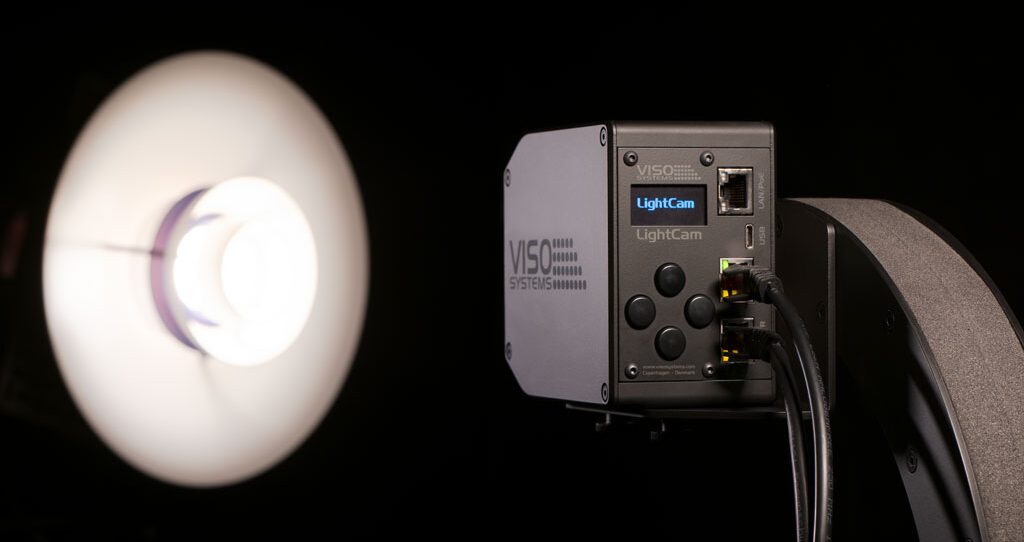
Watch the InTRODUCTION video
Watch this short video get am impression of what LightCam can do for you.
Blue Light Hazard risk group determination
Viso LightCam is a gamechanger
Until now, it has been very challenging to measure blue light hazard risk groups (IEC-62471 and IEC TR 62778). The standard is difficult to follow and appears to be designed for very small light sources. What if you have luminaires with clusters of powerful LEDs? Which has the highest radiance, and in which viewing direction?
This was the job of specialized laboratories, but now you can do it in your own Viso lab.
AUTOMATIC STEPS
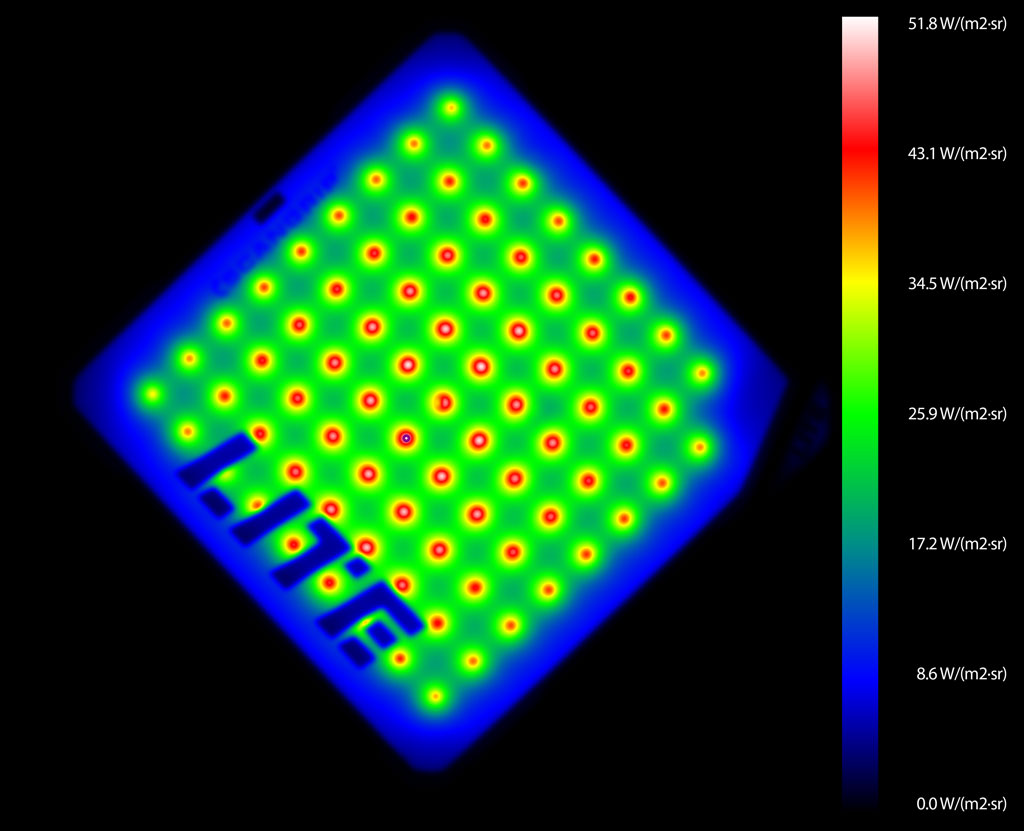
Luminance and glare: Get revolutionary insights
Viso LightCam is a gamechanger
Say goodbye to time-consuming and difficult visual glare evaluations in your R&D team. In comes hard evidence. Which optical solution is the most comfortable for your customers’ eyes?
With luminance distributions from all angles, you can evaluate office lighting, streetlights, and work lamps faster and more accurately than ever before.

PLUG-AND-PLAY
Attach a new bracket to your Viso spectrometer sensor. Then mount the camera with two screws. Daisy chain the camera in between you Viso mainboard and the sensor using one short ethernet cable, and you are ready to go.
No power cable, no USB cable.
Optional bypass ethernet or WIFI connection.
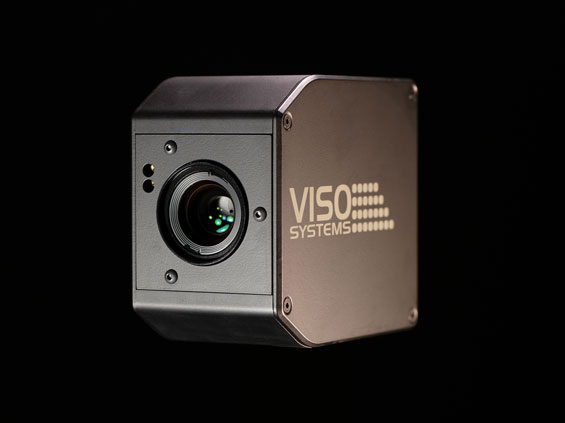
Covering wavelengths above 800 nm
LightCam has two auxiliary photosensors covering the 600 – 2600 nm range, which extends the range of Viso’s spectrometers into the SWIR (Short-wavelength infrared) range. This allows you to safely determine if there’s any radiation in the thermal range and therefore exclude ‘retinal thermal’ hazard, and get a good indication if you should be concerned about ‘eye IR’ and ‘skin thermal’ hazards.
The auxiliary NIR-SWIR photodiodes have sensitivity ranges: 600 – 1750 nm and 800 – 2600 nm.
Advantages
Determines Blue LIght hazard according to IEC-62471 automatically
Measures radiance and luminance distributions from all viewing angles
Fine spectral data and intensity infomation from the adjacent Viso sensor feeds into the formation of accurate results
Fits all Viso LabSpion and BaseSpion sensors
Main applications
Downloads
Get more information
Related standards:
CIE 115 – Lighting of Roads for Motor and Pedestrian Traffic
CIE 88 – Guide for the Lighting of Road Tunnels and Underpasses
CIE 140 – Road Lighting Calculations
CIE 191 – Recommended System for Mesopic Photometry
ISO 8995-1 / CIE S 008 – Lighting of Work Places (Indoor)
ANSI/IES RP-8 – Roadway Lighting
ANSI/IES RP-22 – Tunnel Lighting
IES LM-41 – Photometric Testing of Roadway Luminaires
EN 12464-1 – Indoor work lights, glare
EN 13201 – Road Lighting (Parts 2–4)
IEC 62471 – Photobiological Safety of Lamps and Lamp Systems
IEC TR 62778 – Assessment of blue light hazard to light sources and luminaires
IES RP-27 Series – Photobiological safety
SMPTE RP 431-2 – Screen luminance levels
FAA Advisory Circulars for Airfield Lighting, Runway sign and lighting system luminance requirements
Automotive Standard UNECE R48, R112, etc.
LightCam Specifications
Camera specification (preliminary)
Sensor type: RGB CMOS
Resolution: 12.3 MP still, 1920×1080 video.
FOV: 21° horizontal, 16° vertical.
Angular resolution: 0.09 mrad / pixel, 0.9 mm @ 10 m distance
Bit depth: 12 bit still, 16 bit HDR, H.264 video.
Still image dynamic range: 1:2500 raw, 1:100 000 000 HDR raw
Auxiliary NIR-SWIR photodiodes sensitivity ranges
600 – 1750 nm and 800 – 2600 nm.
Software solution
Viso Light Inspector (free)
w/ new control features
Compatible with LabSpion and BaseSpion sensors
Preliminary
Physical data
Powder coated steel housing
125 mm * 115 mm * 65mm
Weight: Device 1200 g
Power and data
Data and power via ethernet cable
Other Viso Accesories
Easy positioning of your LabSpion sensor. Replace your tripod with a rail-mount for your sensor including distance detector
The LabFlicker instrument records all contemporary flicker metrics including PstLM and connects to all Viso systemsms
The extender of the LightSpion allows you to measure lamps that are up to 22 cm in diameter by extending the sensor distance
Upgrade your existing sensor to provide a broader measurement range (eg. UV) or higher accuracy